Hours
Shops and activities vary; confirm on site
Pai · Mae Hong Son · Thailand
Tea, earthen architecture and a living village beneath Yun Lai
Santichon (Ban Santichon) is a Yunnanese-influenced settlement west of Pai. It is more than a photo stop: residents, food stalls and visitor activities share a compact hillside village.
Hours:Shops and activities vary; confirm on site
Location:77/1 Moo 5, Wiang Tai, Pai, Mae Hong Son 58130, Thailand
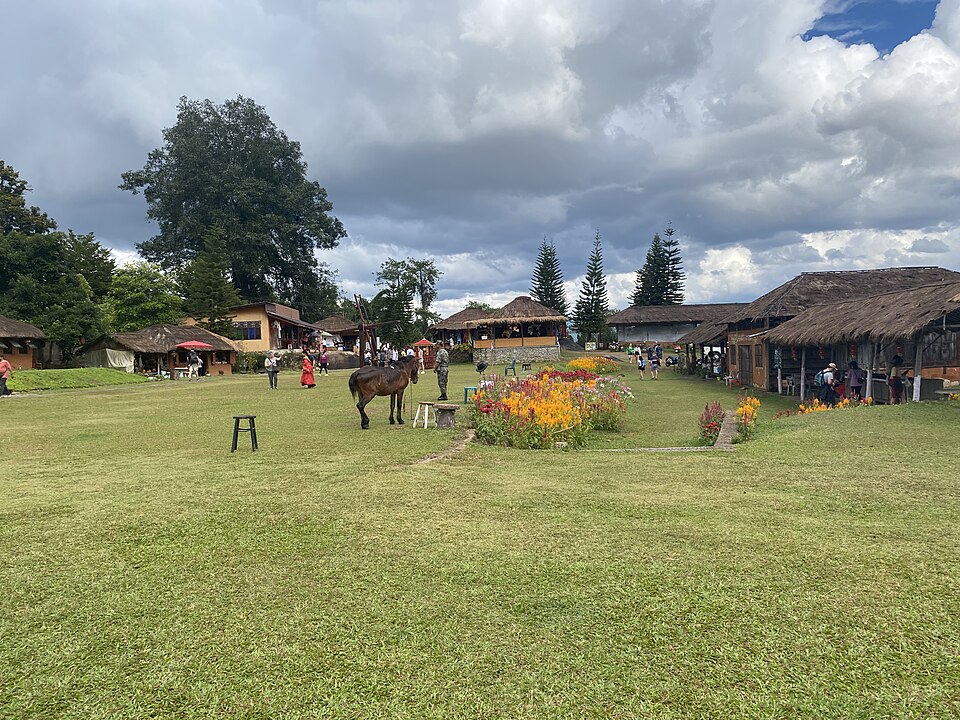
Santichon is a living community rather than a government-run museum. Local residents and community businesses operate food, cultural displays and visitor services; each activity may have its own operator. Respect home entrances and local instructions.
The village reflects the history of Chinese-speaking Yunnanese families who settled in northern Thailand during the upheavals of the twentieth century. Its present tourism facilities express that cultural identity, but not every decorative structure is historic.
Santichon (Ban Santichon) is a Yunnanese-influenced settlement west of Pai. It is more than a photo stop: residents, food stalls and visitor activities share a compact hillside village. Taste Yunnan-style tea or snacks where offered, observe building details, and look up toward the ridge where Yun Lai Viewpoint stands. Ask permission before photographing residents or working stalls.
Respect residential spaces, check prices before paid activities, and be careful around vehicles on narrow lanes.
Look for rammed-earth-style walls, curved rooflines, red lanterns, tea spaces and a compact courtyard layout. Compare decorative visitor structures with ordinary homes and businesses: together they show how a lived-in settlement welcomes tourism.
Shops and activities vary; confirm on site
Village access and paid activities may differ
From central Pai, head west toward Wat Nam Hu, then continue to Santichon. The road to Yun Lai climbs beyond the village. A car or local driver is convenient; ask locally about any shuttle uphill.
The village reflects the history of Chinese-speaking Yunnanese families who settled in northern Thailand during the upheavals of the twentieth century. Its present tourism facilities express that cultural identity, but not every decorative structure is historic.
Look for rammed-earth-style walls, curved rooflines, red lanterns, tea spaces and a compact courtyard layout. Compare decorative visitor structures with ordinary homes and businesses: together they show how a lived-in settlement welcomes tourism.
Taste Yunnan-style tea or snacks where offered, observe building details, and look up toward the ridge where Yun Lai Viewpoint stands. Ask permission before photographing residents or working stalls.
From central Pai, head west toward Wat Nam Hu, then continue to Santichon. The road to Yun Lai climbs beyond the village. A car or local driver is convenient; ask locally about any shuttle uphill.
Arrive after Yun Lai sunrise and have breakfast or tea.
Walk the public village lanes, stopping at cultural displays and food shops.
Continue to Wat Nam Hu or return to Pai town.
Respect residential spaces, check prices before paid activities, and be careful around vehicles on narrow lanes.
Use the village entrance and open public courtyard for architecture, then frame the hillside against roofs from permitted walking areas. Avoid photographing private homes up close.
Pai town provides the widest range of lodging and evening dining; village accommodation options vary by season.
No. The village is below the viewpoint and has its own location pin.
Allow roughly 45–90 minutes for a relaxed walk and tea; add time for activities.
For up-to-date visitor feedback and review counts, consult the specific Google Maps place listing. This guide does not reproduce unverified scores.
Google Maps ↗77/1 Moo 5, Wiang Tai, Pai, Mae Hong Son 58130, Thailand
Use this attraction’s own destination pin; confirm the final approach and transport arrangements before departure.
Open this place in Google Maps ↗Photo source and fact checking: Wikimedia Commons · Tourism Authority of Thailand